Applying Context to Theology
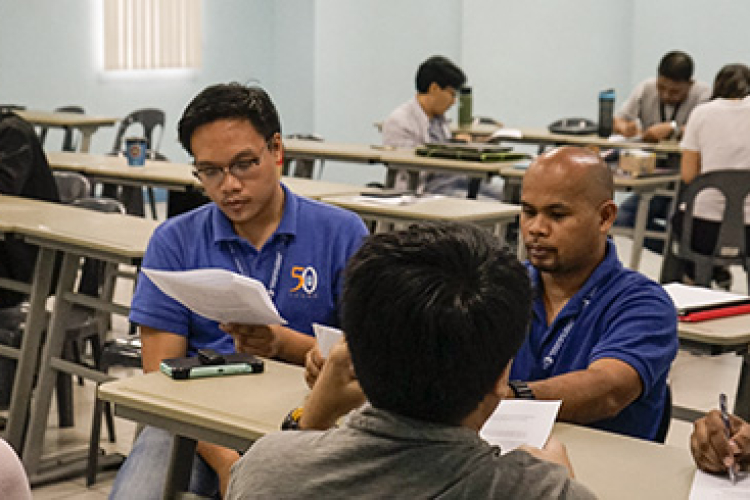
One of my favorite things about our ministry here is teaching the first year theology course at the International Graduate School of Leadership in Manila, the Philippines. This year I had more than 40 students from over 10 nations. Each one brings a unique perspective, with many coming from hard places around Asia where Christians are persecuted minorities.
For various reasons, most of the students start the class a bit wary about "systematic theology." It sounds clunky, philosophical, and dusty. On the first day of class we talk about bad experiences with theology, and many share about how otherwise healthy churches have divided over seemingly minor differences, or about a pastor in the denomination who gets a scholarship to study theology abroad and comes back with an arrogant sense of superiority.
As the class goes on, I make it my job to convince them that theology is the lifeblood of the church—the key way that the stories, poems, and commands of Scripture can become enacted in Christ's body. It's a process that never ceases to delight me, and usually it delights the students too, who typically leave ready to become "theologians" in their own place of work or ministry.
At the end of the course, which we just wrapped up for this year, the students do a number of assignments designed to help them take what they've learned and apply it to their home contexts. One student from Bhutan has been engaging with me for several weeks. The course has opened his eyes to the usefulness of early Christian tradition for helping his church, which is relatively young and battling much of the same confusion and false teaching that flourished in the early centuries of Christianity.
For his final paper, he wrote about how Bhutanese order their lives around three things: Tsa Wa Sum (King, country, and people). He wrestled with how to reconcile these ideals with a Christian identity, noting that each one connects with key theological ideas—Christ as true king, and the church as a new people and nation. To be authentically Bhutanese and also authentically Christian, the church must be "living with peace and joy and setting an example of righteous living towards Tsa Wa Sum [to] help them to know the true King and the Kingdom," he says.
This is exactly the kind of result our ministry is all about — strengthening the Asian church by equipping them to give their faith deep roots in both Scripture and their culture.

How many students will your gift reach today?
Every $75 reaches one student. Today, double matching funds help you reach three.

Your Next Chapter
Stories like this start with
someone saying yes.
Every roof, every classroom, every friendship begin when one person decides to step beyond. We'd love to walk with you as you conside what that might look like.
Related Stories